Detector geometry
ALEPH as it stood in 1994, rebuilt as the DD4hep model ALEPH_o1_v01 in k4geo format. The geometry is
generated from ALEPH's own constants database: every subdetector has its own compact file, from the VDET, ITC
and TPC through the ECAL, the coil and the HCAL to the muon chambers and the luminosity calorimeters, with
its materials and GALEPH's magnetic field map.
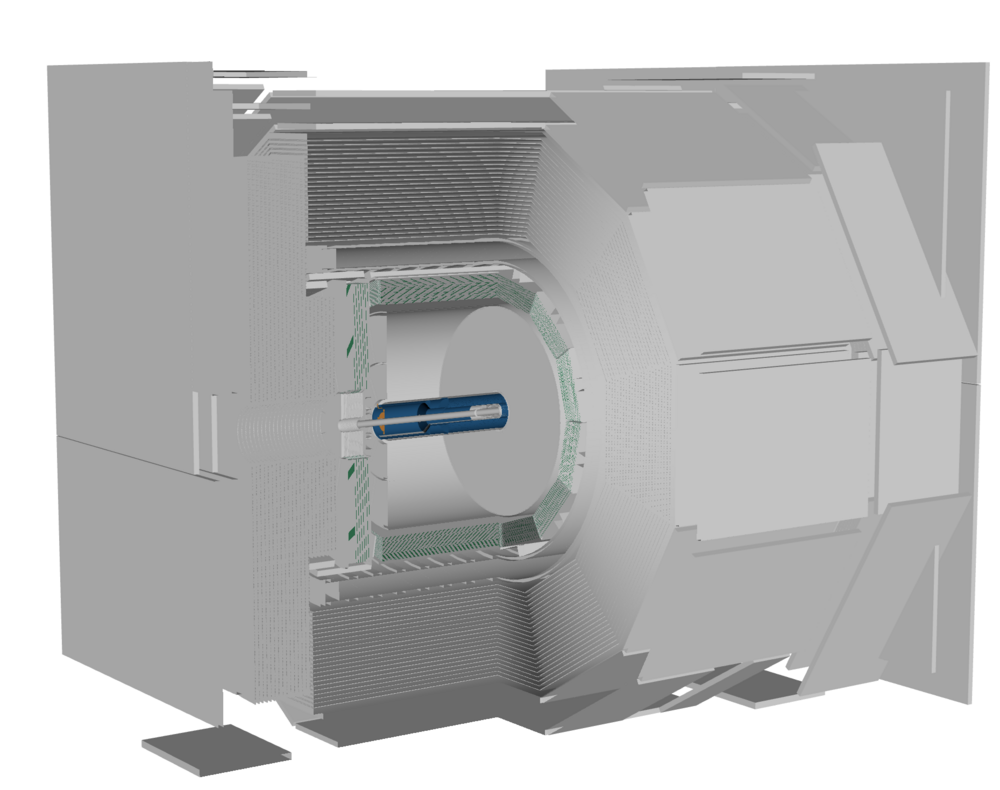 Full detector, cut-away
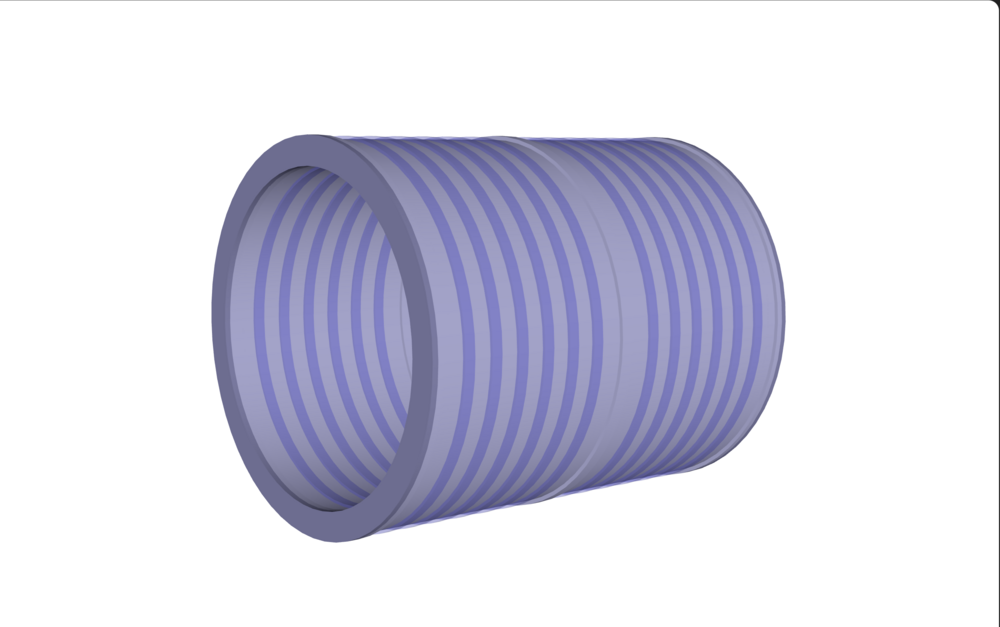 Coil
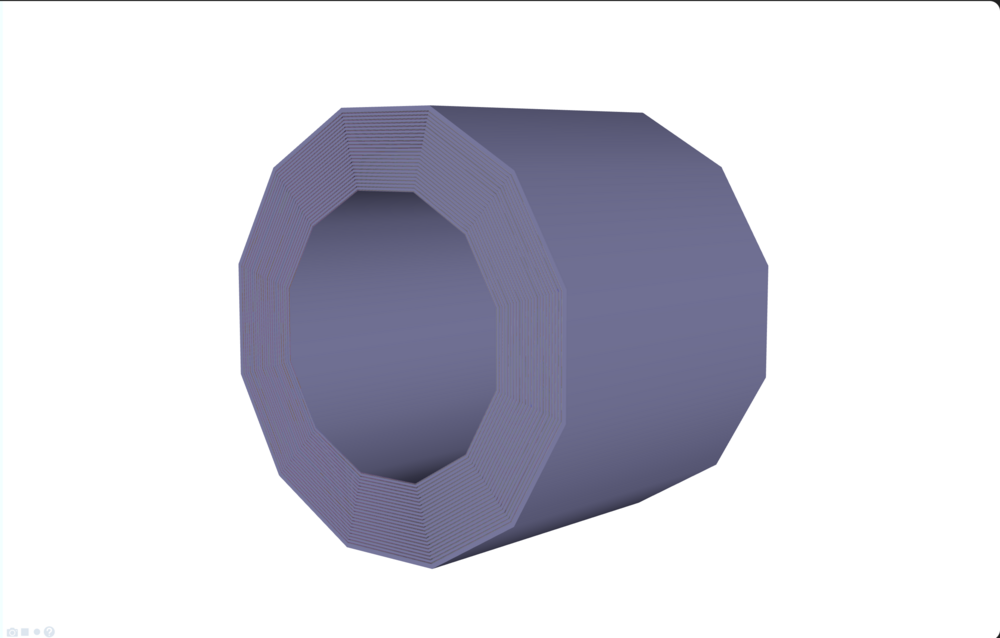 HCAL barrel
LEP1 event display
Every ALEPH LEP1 event from 1991–1995, read from the original files with the modern JoNik4ALEPH converter and browsable in 3D and in end and side views. You can step through runs by year and energy, filter by event type, track count and calorimeter energy, and see Durham jets and V0s. Each event is fetched on its own, about 30 kB at a time.
Converter validation
The JoNik4ALEPH converter revives ALEPH's original file formats inside modern infrastructure: it reads the 1990s EPIO files directly and writes them as EDM4hep for Key4hep. Here it is checked against l2e, the production EDM4hep conversion, on the same 3,893 simulated Z → qq̄ MINI-DST events: event shape, particle flow, tracks and their uncertainties, and the impact-parameter tag, each with the ratio of the two.